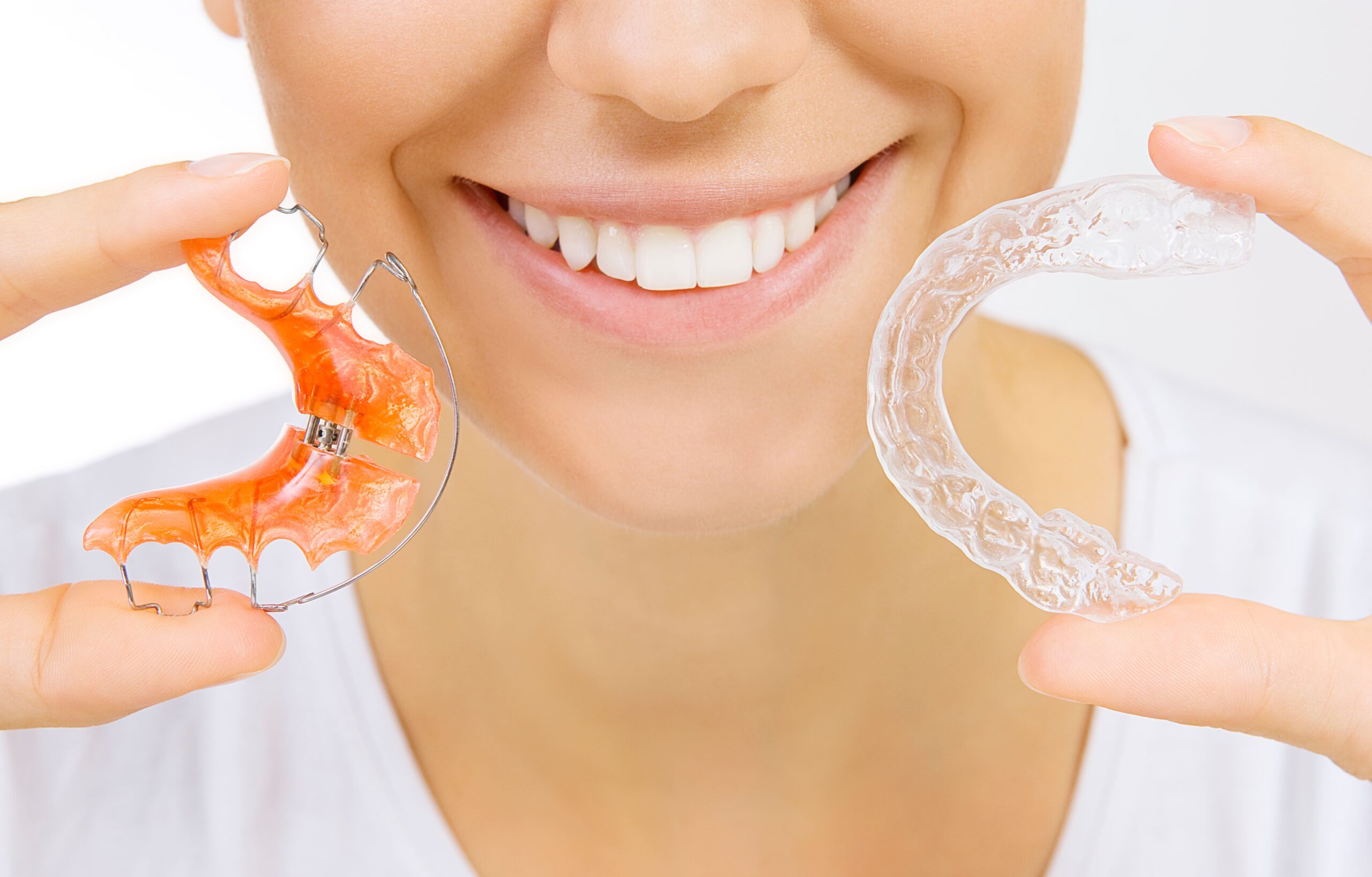
Getting your braces removed or finishing Invisalign can feel like the finish line. Your teeth are straighter, your bite has improved, and you finally get to see the results of all those months of orthodontic treatment. But there is still one important step: wearing your retainer.
Retainers help keep teeth in their new positions after active orthodontic treatment ends. Without consistent retainer wear, teeth can gradually shift, potentially undoing some of the progress made during treatment.
So, how long do you need to wear a retainer after braces or Invisalign? For most people, the answer is longer than they expect. While the schedule may change over time, wearing a retainer is generally a long-term part of maintaining your smile.
Why Do You Need to Wear a Retainer After Orthodontic Treatment?
Teeth are not permanently fixed in place simply because braces or clear aligners have moved them. The bone and surrounding tissues need time to adjust to their new positions.
Even after treatment is complete, natural changes can occur. Pressure from the tongue, lips, cheeks, aging, and everyday biting forces can gradually influence tooth position. Teeth may also move as the jaw changes over time.
A retainer provides the support needed to help maintain your results. This is why retention is considered an important part of orthodontic care rather than an optional final step.
How Long Should You Wear a Retainer After Braces?
The exact retainer schedule depends on your individual treatment and your orthodontist’s recommendations. Many patients are instructed to wear their retainers more frequently immediately after braces are removed.
Over time, the schedule often changes from full-time wear to nighttime wear. Eventually, some patients may be able to wear their retainer less frequently, while others may be advised to continue wearing it every night.
The important thing to understand is that there is no universal point when everyone can simply stop wearing a retainer. Your teeth can shift months or even years after braces come off.
Why the First Few Months Matter
The period immediately following orthodontic treatment is particularly important. Your teeth have recently been moved, and the surrounding bone and tissues are still adapting.
Following your retainer instructions during this period can help protect the alignment you worked to achieve. Skipping nights or stopping altogether can allow unwanted movement to begin.
How Long Do You Need a Retainer After Invisalign?
The need for retention doesn’t disappear just because treatment was completed with Invisalign. Clear aligners gradually move teeth, just as braces do, so the teeth still need to be held in their new positions.
Patients who complete Invisalign treatment should follow the retainer schedule provided by their orthodontist. Depending on the treatment plan, this may involve wearing retainers frequently at first and transitioning to nighttime wear.
One benefit of discussing retention during your Invisalign consultation is knowing what to expect before treatment even begins. Understanding that retainers are part of maintaining your results can make the transition after your final aligner much easier.
Can Teeth Move After Braces or Invisalign?
Yes. Teeth can shift after orthodontic treatment, even when the original treatment was successful.
Some movement is a normal part of getting older, but significant shifting may occur when retainers aren’t worn as directed. Teeth that were particularly rotated or crowded before treatment may be more likely to move without adequate retention.
This doesn’t necessarily mean that your teeth will dramatically return to their original positions. However, even small changes can become noticeable over time.
Consistent retainer wear gives you a better chance of maintaining your orthodontic results.
What Happens If You Stop Wearing Your Retainer?
Stopping retainer wear can allow teeth to gradually shift. You might first notice that your retainer feels tighter when you put it back in. That can be a sign that your teeth have already moved slightly.
In some cases, wearing the retainer as directed may help settle minor changes. However, if the retainer no longer fits comfortably or cannot be placed over your teeth, don’t force it.
A Decatur orthodontist can evaluate your teeth and determine whether a new retainer or additional orthodontic treatment is appropriate.
The sooner you address changes in tooth position, the easier it may be to correct them.
How Often Should You Wear Your Retainer?
Retainer schedules vary, so your orthodontist’s instructions should always take priority. A common progression is more frequent wear immediately after treatment followed by nighttime wear for long-term maintenance.
Your schedule may depend on factors such as:
- How your teeth were positioned before treatment
- The type of orthodontic treatment you received
- How much your teeth were moved
- Your age and natural changes over time
- How stable your bite is after treatment
Rather than assuming that you can eventually stop wearing your retainer, think of retention as an ongoing way to protect your investment in orthodontic treatment.
What Types of Retainers Are Available?
There are several types of orthodontic retainers. Your orthodontist will recommend the option that best suits your teeth and treatment.
Removable Retainers
Removable retainers can be taken out for eating, brushing, and cleaning. They are convenient but require patients to remember to wear them according to their prescribed schedule.
They also need to be cleaned regularly and stored safely when they aren’t being worn.
Clear Retainers
Clear retainers look similar to Invisalign aligners and fit closely over the teeth. Their discreet appearance makes them a popular choice for many patients.
Because clear retainers are removable, consistent use is essential. They can also eventually wear out or become damaged, so replacement may be necessary.
Fixed Retainers
A fixed retainer is bonded to the back of the teeth. Because it stays in place, patients don’t have to remember to put it in each night.
However, fixed retainers require careful cleaning around the wire and regular dental care. Your orthodontist can explain how to keep the area clean and when the retainer may need to be repaired or replaced.
How Do You Take Care of Your Retainer?
A retainer needs proper care to remain clean and functional. When removing a removable retainer, place it in its case rather than wrapping it in a napkin or leaving it loose on a table.
Clean your retainer according to your orthodontist’s recommendations. Avoid exposing it to excessive heat, which can potentially distort the material.
You should also keep your retainer away from pets. Dogs and other animals may be surprisingly interested in chewing on orthodontic appliances.
If your retainer becomes cracked, warped, lost, or uncomfortable, contact your orthodontic office rather than continuing to use a damaged appliance.
What If Your Retainer Doesn’t Fit Anymore?
A retainer that suddenly feels tight may indicate that your teeth have shifted. Don’t assume that forcing it into place will solve the problem.
Contact your orthodontist for guidance. Depending on how much movement has occurred, the solution could range from replacing the retainer to discussing additional treatment.
Patients should also avoid waiting months to address a retainer problem. Small changes in tooth position may become more difficult to correct when left untreated.
Do Children and Teens Need Retainers Longer?
Children and teenagers may experience changes in their teeth and jaws as they grow, making retention especially important following orthodontic treatment.
Young patients may also be more likely to forget or lose removable retainers, which is why parents can play an important role in helping establish a consistent routine.
Keeping the retainer in a designated case and making nighttime wear part of the bedtime routine can make it easier for younger patients to stay on track.
Retainers Are Part of Your Long-Term Smile
Orthodontic treatment requires time, effort, and commitment. Once your braces or Invisalign treatment is complete, wearing a retainer helps protect the result.
Think of it this way: braces and clear aligners move your teeth, while retainers help keep them where they belong.
That doesn’t mean you’ll necessarily need to wear a retainer all day forever. In many cases, the schedule becomes much easier once the initial retention period has passed. But long-term nighttime wear is often recommended because teeth can continue to change throughout life.
Clinebell & Anderson Orthodontics: Protect Your Results With a Retainer
Finishing orthodontic treatment is an exciting milestone, but maintaining your new smile is just as important as creating it. Whether you completed braces or Invisalign, following your retainer instructions can help keep your teeth aligned for years to come.
For personalized guidance about retainers, orthodontic treatment, or maintaining your results, contact Clinebell & Anderson Orthodontics in Decatur, GA. A consultation can help you understand the best retention plan for your smile and what to do if your retainer no longer fits properly.